Introduction to No-Fail Amish White Bread
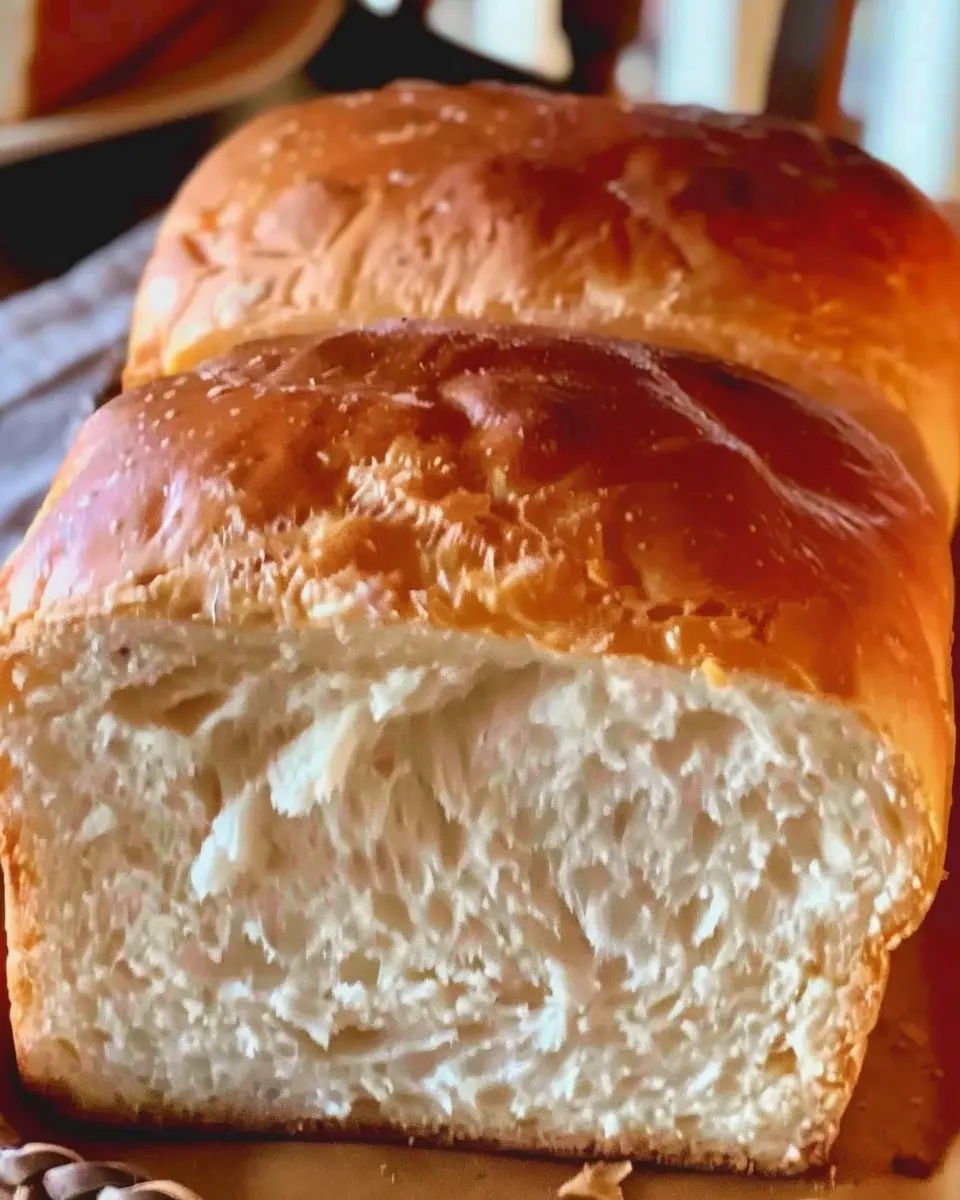
Baking homemade bread can transform your kitchen into a warm and inviting space, filling your home with delicious aromas and bringing a comforting touch to your meals. But why is homemade bread a game changer? For many young professionals caught up in the fast-paced rhythm of life, store-bought options often fall short in flavor, texture, and nutritional value. According to the USDA, bread can often contain preservatives and additives that may not align with your health goals. Making your own bread, like this no-fail Amish white bread, is not only a healthier alternative but also a delightful process that offers a genuine sense of accomplishment.
Picture this: you come home after a long day at work, and the first thing that greets you is the inviting aroma of freshly baked bread. It’s nothing short of magical. Homemade bread can elevate any meal, whether you’re preparing a simple soup or crafting a gourmet sandwich with turkey bacon and chicken ham. Plus, this accessible recipe ensures you won’t face the dreaded “What’s for dinner?” dilemma; a slice of homemade bread can be the perfect base for almost anything.
Let’s talk about the process. Many people shy away from baking bread because they think it’s complicated or requires advanced skills. But I’m here to tell you that no-fail Amish white bread is incredibly straightforward. With just a few basic ingredients, you can create loaves that are fluffy, chewy, and just right for toasting or enjoying with a spread of butter and jam.
Here’s a quick look at what makes this recipe special:
- Simplicity: Minimal ingredients make it easy for anyone to follow.
- Reliability: This bread is truly “no-fail,” even if it’s your first time baking.
- Versatility: Perfect for sandwiches, toast, or served alongside your favorite dishes.
As you embark on this baking journey, keep in mind that the best experiences in the kitchen often come from a sense of playfulness and exploration. So roll up your sleeves, grab your apron, and let’s whip up some delightful no-fail Amish white bread! For further insights on techniques and bread-making skills, check out resources like King Arthur Baking for additional tips and tricks on perfecting your loaf.
Ingredients for No-Fail Amish White Bread
Essential pantry staples
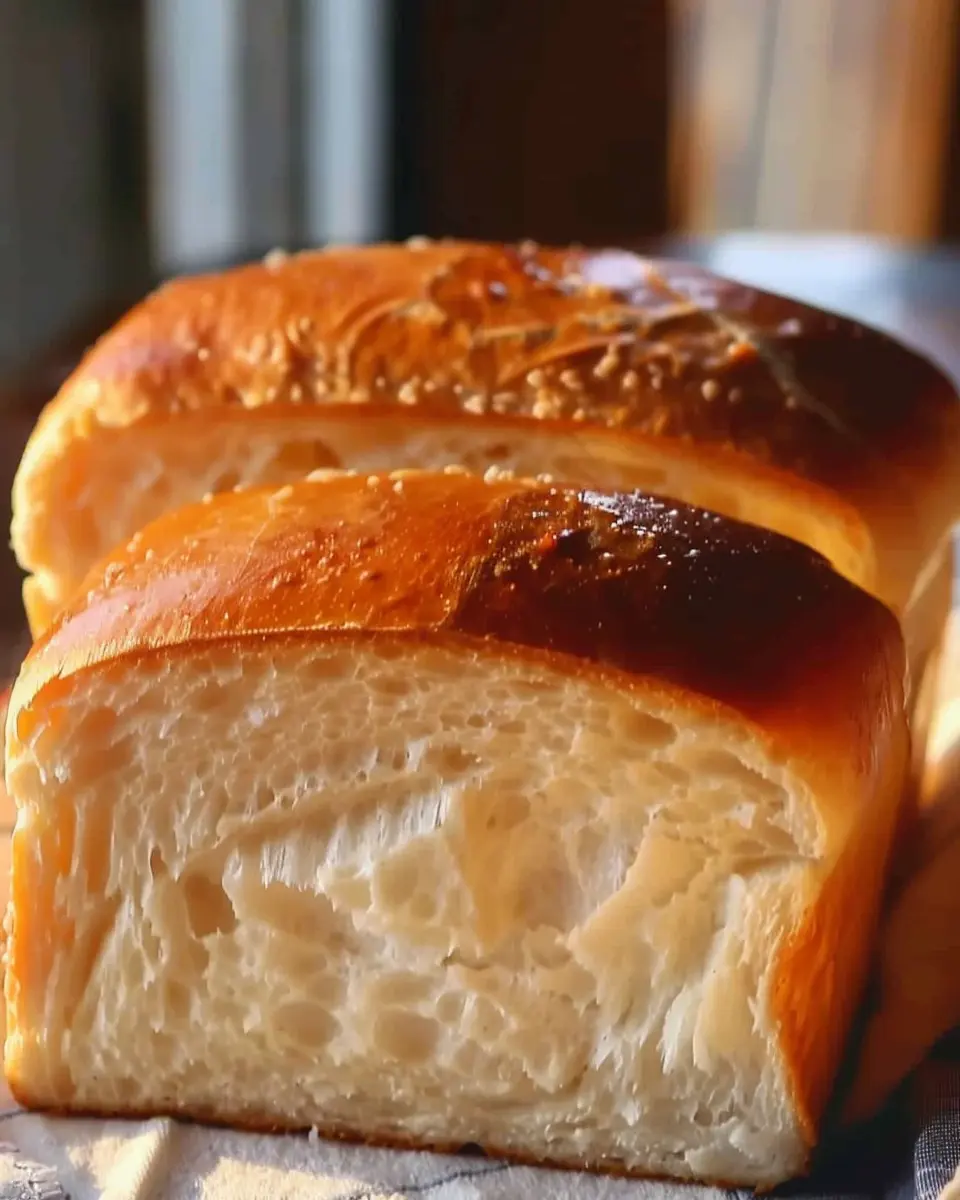
Making the no-fail Amish white bread relies on a handful of simple yet essential ingredients that you likely already have in your pantry. Here’s what you’ll need:
- All-purpose flour: This is the backbone of your bread, providing structure.
- Sugar: A touch of sweetness not only enhances flavor but also helps with yeast activation.
- Salt: Essential for flavor, it also strengthens the dough’s structure.
- Active dry yeast: Vital for that beautiful rise, make sure it’s fresh for the best results.
- Warm water: The perfect temperature (around 110°F) is essential for activating our yeast.
- Vegetable oil: This adds moisture and keeps the bread tender.
Optional add-ins for flavor
While traditional no-fail Amish white bread is delightful as is, consider these optional add-ins to elevate your loaf:
- Honey or molasses: Swap some sugar for these natural sweeteners for added depth.
- Herbs or spices: Garlic powder, rosemary, or oregano can bring a unique twist.
- Nuts or seeds: Adding sunflower seeds or walnuts will give your bread some crunch and nutrition.
By picking a few of these options, you can tailor the flavor of your bread to match your personal taste. Have fun experimenting, and you just might create your favorite loaf! For more tips on baking essentials, check out resources from King Arthur Baking for great insights on flour types and techniques.
Step-by-step Preparation for No-Fail Amish White Bread
Making no-fail Amish white bread can feel like a daunting task at first, but with a simple step-by-step process and a little patience, you’ll have warm, fluffy loaves that are perfect for sandwiches or just buttering straight out of the oven. Let’s dive into the preparation!
Gather your ingredients
Before you start, it’s essential to have all your ingredients ready. This will streamline the process and make baking more enjoyable. For this recipe, you will need:
- 5 to 6 cups of all-purpose flour
- 2 ½ teaspoons of instant yeast
- 2 teaspoons of salt
- 1 tablespoon of sugar
- 2 cups of warm water (around 110°F)
- 2 tablespoons of vegetable oil
Make sure to use high-quality ingredients where possible! Fresh flour and good yeast can make a significant difference in the outcome. If you’re interested in learning about the importance of quality ingredients, check out this insightful article on baking basics.
Combine the dry ingredients
In a large mixing bowl, start by combining the dry ingredients. Add the all-purpose flour, instant yeast, salt, and sugar. Mix them well with a whisk. This step is crucial, because it ensures the yeast activates properly and blends evenly throughout your bread, creating that perfect texture.
Why instant yeast? It’s quick-acting and doesn’t require proofing, saving you time and effort!
Mix in the wet ingredients
Once your dry ingredients are well-mixed, it’s time to add the wet ingredients. Pour in the warm water and the vegetable oil. Use a wooden spoon or spatula to combine the mixture until it forms a shaggy dough. Don’t worry about the lumps; they will be worked out during the kneading process.
Let this mixture rest for about 10 minutes. This resting phase allows the flour to absorb moisture, which ultimately leads to a better dough and contributes to the delicious flavor.
Knead the dough
Now comes the fun part—kneading! Transfer your dough onto a floured surface and begin to knead it for about 8–10 minutes. As you knead, stretch and fold the dough, applying gentle pressure to develop the gluten. Your goal is to create a smooth and elastic dough.
Kneading doesn’t have to be exhausting; if you don’t have the time or energy, you can also use a stand mixer fitted with a dough hook. Just mix on low speed until the dough is smooth and elastic.
Let it rise
After kneading, shape the dough into a ball and place it in a lightly greased bowl, turning it once to coat it with oil. Cover the bowl with a clean kitchen towel or plastic wrap and let it rise in a warm, draft-free area. This typically takes about 1 to 2 hours, or until the dough has doubled in size.
Need tips on where to let your dough rise? A turned-off oven or a sunny kitchen counter works wonders!
Shape the loaves
Once your dough has risen beautifully, punch it down to release the gas. Now it’s time to shape your loaves. Divide the dough in half and shape each half into a loaf. Place them in greased 9×5-inch loaf pans.
Be sure to allow the dough to rest again for about 30 minutes, covered with a towel, so they can rise again before baking.
Bake to perfection
Preheat your oven to 350°F (175°C). Bake the loaves for 30–35 minutes or until they are golden brown and sound hollow when tapped on the bottom. An instant-read thermometer should read about 190°F when they are done.
Once baked, let the loaves cool in the pans for around 10 minutes before transferring them to a cooling rack. Patience is key here; waiting for them to cool will help preserve that perfect texture when sliced.
Now you’ve got yourself a delightful batch of no-fail Amish white bread! Perfect for all your favorite sandwiches or just a slice with butter. Enjoy your baking adventure, and don’t hesitate to share your results!
Variations on No-Fail Amish White Bread
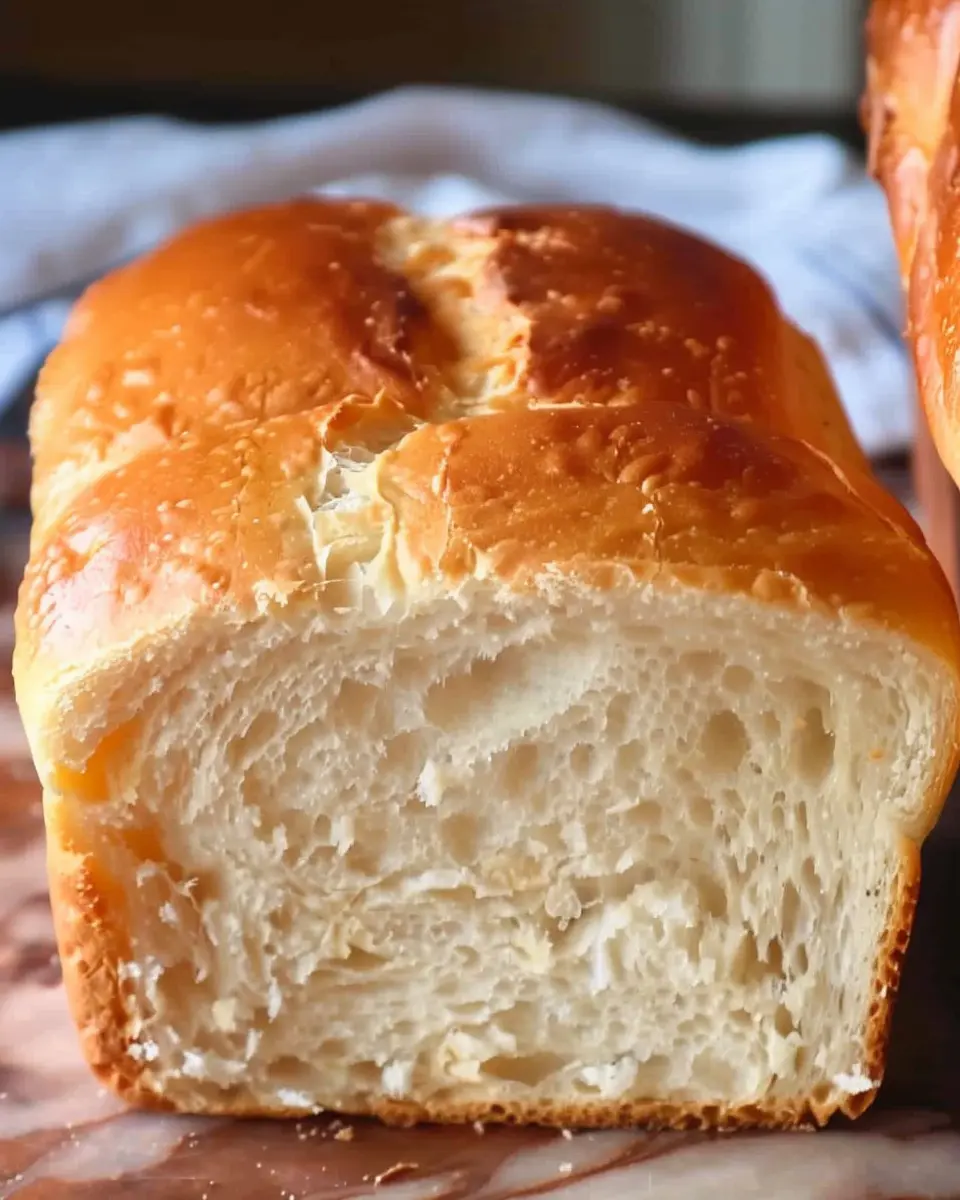
When it comes to No-Fail Amish White Bread, the possibilities for variation are delightful. Whether you’re in the mood for something savory or you want to sneak in some healthy ingredients, there are plenty of ways to customize this classic recipe.
Adding Herbs and Spices
Elevating your no-fail Amish white bread can be as simple as incorporating herbs and spices. Imagine the fragrance of fresh rosemary or thyme wafting through your kitchen. Just a teaspoon of dried herbs can transform your loaf into a delicious side for soups or a base for sandwiches.
- Garlic Powder: Adding a tablespoon of garlic powder gives it a robust flavor, perfect for pairing with roasted chicken ham or turkey bacon.
- Dill or Basil: A teaspoon of dried dill enhances the bread’s aroma, ideal for summer picnics.
Incorporating Whole Grains
For those of you looking to boost the nutrition of your no-fail Amish white bread, consider mixing in some whole grains. Not only does this improve the fiber content, but it also adds an earthy flavor.
- Whole Wheat Flour: Substitute half of the all-purpose flour with whole wheat flour. The result? A denser, more flavorful bread that pairs excellently with a spread of hummus or butter.
- Oats: Toss in a half cup of rolled oats for texture and added health benefits; your bread will be irresistibly hearty!
If you’re intrigued by whole grain options, check out sources like Healthline for the nutritional benefits. With these variations, your baking becomes a canvas for creativity, ensuring every loaf is delicious and uniquely yours. Happy baking!
Cooking Tips and Notes for No-Fail Amish White Bread
Common Pitfalls to Avoid
When baking no-fail Amish white bread, it’s easy to overlook a few key details. Here are some common mistakes to steer clear of:
- Incorrect yeast: Always make sure your yeast is fresh! Expired yeast can lead to dense bread that won’t rise properly.
- Over-kneading: While it’s tempting to continue kneading until it’s smooth, an over-kneaded dough can become tough. Aim for elasticity without aggression.
- Skipping the second rise: Patience pays off! Allowing the dough to rise twice ensures a lighter, fluffier loaf.
Temperature Tips for a Perfect Rise
Temperature plays a crucial role in bread baking. For that delightful rise, remember these tips:
- Warm environment: Finding a cozy spot for your dough is essential. A warm, draft-free area will help the yeast thrive. A simple trick is to preheat your oven to the lowest setting for a minute and then turn it off, letting the dough rise inside.
- Water temperature: Use warm water (around 110°F) to activate the yeast. Too hot, and you might kill it; too cold, and it won’t wake up!
For more expert baking tips, check out the King Arthur Baking Company for in-depth resources. Happy baking!
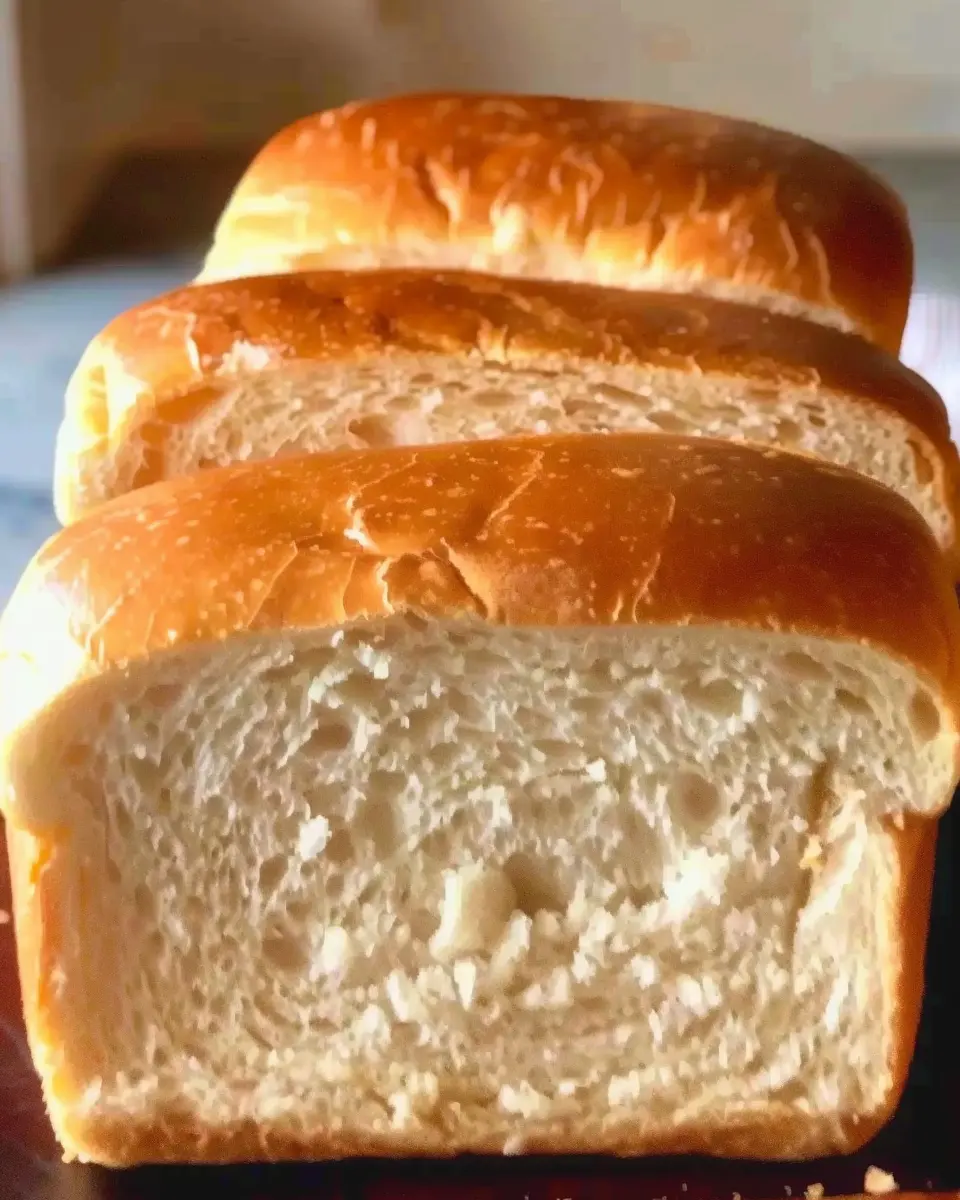
Serving Suggestions for No-Fail Amish White Bread
When it comes to no-fail Amish white bread, the possibilities for enjoyment are nearly endless! Here are some suggestions to elevate your homemade loaf to new heights.
Pairing with Spreads and Toppings
Whether you prefer sweet or savory, this versatile bread is perfect for various spreads and toppings. Try spreading:
- Butter & jam: A classic duo that never disappoints. Use your favorite fruit preserves for a delightful breakfast treat.
- Cream cheese & turkey bacon: For a rich, indulgent option, layer your bread with cream cheese and add crispy turkey bacon – a perfect brunch idea!
- Hummus & veggies: For a healthy snack, spread hummus on your bread and top with sliced cucumbers or bell peppers.
Best Uses for Leftover Bread
If you find yourself with extra no-fail Amish white bread, don’t let it go to waste! Consider these ideas:
- French toast: Transform those stale slices into a delicious breakfast by dipping them in egg custard and frying them up.
- Bread crumbs: Blend or crush leftover bread to make bread crumbs for topping casseroles or coating chicken.
- Grilled cheese: Use it for a melty, gooey grilled cheese sandwich—it’s a comforting classic!
By trying these suggestions, you can maximize your enjoyment of no-fail Amish white bread while reducing food waste. Enjoy!
Time Breakdown for No-Fail Amish White Bread
Preparation Time
When you’re ready to embark on making this no-fail Amish white bread, set aside about 15 minutes for preparation. This includes mixing your ingredients and kneading the dough. A little bit of patience here pays off in the fluffiness of your bread.
Baking Time
Once your dough has risen beautifully, you’ll only need to bake it for about 30-35 minutes. The aroma will fill your kitchen and make it nearly impossible to resist sneaking a slice fresh out of the oven!
Total Time
From start to finish, you’re looking at around 2 hours. This includes rising time, which is vital for achieving that perfect texture. So, whether you’re planning a leisurely Sunday brunch or a quick weeknight meal, no-fail Amish white bread fits perfectly into any schedule.
For tips on how to troubleshoot common bread-making issues, check out this resource on King Arthur Baking’s site. Happy baking!
Nutritional Facts for No-Fail Amish White Bread
When you’re whipping up some delightful no-fail Amish white bread, it’s not just about the taste—it’s also about what you’re putting into your body. Here’s a quick breakdown of the nutritional highlights to keep in mind.
Calories
A slice of this heavenly bread typically contains around 80-100 calories. It’s a comforting yet guilt-free addition to your meals or snacks.
Carbohydrates
Each slice packs about 15-20 grams of carbohydrates, making it a fantastic source of energy. Whether you’re gearing up for a busy day at work or winding down after a long one, you can count on this bread to fuel your adventures.
Fiber Content
While no-fail Amish white bread is not high in fiber—coming in at about 0.5-1 gram per slice—it’s perfect for pairing with fiber-rich toppings. Think of avocado, veggies, or turkey bacon for a more balanced meal!
For more details on bread nutrition, check out resources from Harvard Health. Have you tried pairing it with chicken ham or a great veggie spread? The possibilities are delicious!
FAQs about No-Fail Amish White Bread
What if my bread doesn’t rise?
If your no-fail Amish white bread doesn’t rise, it can be disheartening, but don’t worry! A few common issues could be at play. First, ensure your yeast is fresh—expired yeast can lead to flat bread. Testing your yeast is simple: dissolve it in warm water with a bit of sugar. If it bubbles within 10 minutes, you’re good to go! Additionally, rising takes place in a warm environment. Try setting your dough in a draft-free, slightly warm area (like an oven with the light on).
Can I use alternative flours?
Absolutely! While this no-fail Amish white bread recipe shines with all-purpose flour, you can experiment with alternatives like whole wheat or spelt flour. Keep in mind, the texture and flavor will change. You may also need to adjust the water content as whole grain flours tend to absorb more moisture. For more tips on working with alternative flours, check out King Arthur Baking’s Flour Guide.
How do I store homemade bread?
Storing your no-fail Amish white bread correctly can help maintain its freshness. Once completely cooled, wrap the loaf in plastic wrap or aluminum foil. For long-term storage, consider freezing it—just slice it first for easier access. Homemade bread typically lasts about three days at room temperature, or about three months in the freezer. If you’re interested in learning more about different storage techniques, explore this guide from The Kitchn.
Happy baking!
Conclusion on No-Fail Amish White Bread
Embracing homemade goodness
As you wrap up your experience with no-fail Amish white bread, it’s worth reflecting on the joy of homemade baking. Each loaf is a delightful blend of simplicity and nourishment, connecting you with time-honored traditions. Imagine the aroma of freshly baked bread filling your kitchen, creating a warm, inviting atmosphere.
This easy recipe not only satisfies the palate but also invites creativity—try adding herbs or spices to customize it to your taste! Remember, the beauty of baking lies in its imperfections; each loaf tells a story of your kitchen adventures. For more tips on bread making, check out sources like King Arthur Baking for expert advice.
So roll up your sleeves and enjoy the comforting experience of baking your own no-fail Amish white bread!
PrintNo-Fail Amish White Bread: The Best Recipe for Homemade Joy

No-Fail Amish White Bread is the perfect recipe for anyone looking to make homemade bread with ease and joy.
- Prep Time: 15 minutes
- Cook Time: 35 minutes
- Total Time: 1 hour 50 minutes
- Yield: 1 loaf 1x
- Category: Bread
- Method: Baking
- Cuisine: American
Ingredients
- 4 cups all-purpose flour
- 1 tablespoon sugar
- 1 tablespoon salt
- 1 packet active dry yeast
- 1 1/2 cups warm water
- 2 tablespoons vegetable oil
Instructions
- In a large bowl, combine warm water, sugar, and yeast. Let it sit for about 5 minutes until foamy.
- Add flour, salt, and vegetable oil to the yeast mixture.
- Mix until a dough forms, then knead for 10 minutes until the dough is smooth.
- Place the dough in a greased bowl and cover it. Let it rise until doubled in size, about 1 hour.
- Punch down the dough and shape it into a loaf. Place it in a greased loaf pan.
- Cover and let it rise again until it’s about double, around 30 minutes.
- Bake in a preheated oven at 350°F for 30-35 minutes, or until golden brown.
- Allow to cool before slicing.
Notes
- For an enriched flavor, add a tablespoon of honey to the warm water.
- Ensure the water is not too hot to avoid killing the yeast.
Nutrition
- Serving Size: 1 slice
- Calories: 120
- Sugar: 1g
- Sodium: 200mg
- Fat: 4g
- Saturated Fat: 0.5g
- Unsaturated Fat: 3g
- Trans Fat: 0g
- Carbohydrates: 20g
- Fiber: 1g
- Protein: 3g
- Cholesterol: 0mg
Keywords: No-Fail Amish White Bread, homemade bread, easy bread recipe